[mk_page_section bg_image=”https://middlebrookmd.com/wp-content/uploads/2016/01/HeaderBackgrounds_about2.jpg” bg_color=”#000000″ attachment=”fixed” bg_position=”center top” bg_repeat=”no-repeat” bg_stretch=”true” enable_3d=”true” min_height=”0″ padding_top=”500″ padding_bottom=”60″ top_shape_color=”#ffffff” bottom_shape_color=”#ffffff” sidebar=”sidebar-1″ first_page=”false” last_page=”false”][vc_column][mk_fancy_title tag_name=”h3″ color=”#ffffff” size=”30″ font_weight=”bold” font_style=”normal” txt_transform=”uppercase” letter_spacing=”4″ margin_bottom=”0″ font_family=”none” align=”center”]AFTER THE PROCEDURE[/mk_fancy_title][/vc_column][/mk_page_section][mk_page_section bg_color=”#f5f5f5″ sidebar=”sidebar-1″][vc_column][mk_fancy_title color=”#393836″ size=”20″ font_weight=”bold” letter_spacing=”3″ margin_top=”70″ margin_bottom=”70″ font_family=”none” align=”center”]What to expect after your loco-regional therapy procedure[/mk_fancy_title][/vc_column][/mk_page_section][vc_row][vc_column][mk_padding_divider size=”80″][mk_image src=”https://middlebrookmd.com/wp-content/uploads/2016/01/symbol.png” image_size=”full” align=”center”][mk_padding_divider size=”20″][/vc_column][/vc_row][vc_row][vc_column width=”1/4″][/vc_column][vc_column width=”1/2″][mk_fancy_title color=”#393836″ size=”22″ font_weight=”bold” txt_transform=”uppercase” letter_spacing=”1″ margin_bottom=”0″ font_family=”none” align=”center”]EXPECTATIONS AT HOME
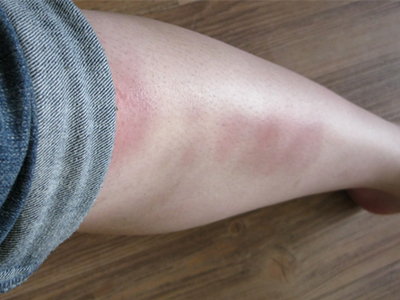
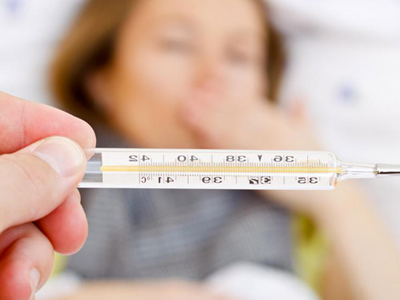
AFTER YOUR PROCEDURE[/mk_fancy_title][mk_divider style=”thin_solid” divider_width=”custom_width” custom_width=”25″ thin_single_color=”#358cc1″ thickness=”3″][/vc_column][vc_column width=”1/4″][/vc_column][/vc_row][vc_row][vc_column width=”1/6″][/vc_column][vc_column width=”2/3″][vc_column_text align=”center”]Most patients will experience, to varying degrees, some form of post-embolization syndrome. The most commonly reported symptoms are fever, loss of appetite, tiredness and sometimes pain which persists for a minimum of 2-3 days and may be present for as long as a week or two after the procedure. Patients commonly describe it as a like a bad flu. Like surgical patients, it is most severe in the hours and days immediately following the procedure and diminishes with time. It is generally well controlled by the use of oral medications. Unlike surgical recovery we won’t limit your activity. After a few days you can resume your usual activities and do anything you feel like doing.[/vc_column_text][mk_padding_divider size=”80″][/vc_column][vc_column width=”1/6″][/vc_column][/vc_row][vc_row fullwidth=”true” css=”.vc_custom_1451894793245{padding-top: 0px !important;padding-right: 0px !important;padding-bottom: 0px !important;padding-left: 0px !important;background-color: #f7f7f7 !important;}”][vc_column][mk_divider style=”thin_solid” thin_single_color=”#358cc1″ thickness=”4″ margin_top=”0″ margin_bottom=”100″][/vc_column][/vc_row][mk_page_section bg_color=”#f7f7f7″ padding_top=”95″ padding_bottom=”60″ sidebar=”sidebar-1″][vc_column width=”1/4″][mk_fancy_title color=”#393836″ size=”20″ font_weight=”bold” font_style=”normal” txt_transform=”uppercase” letter_spacing=”1″ margin_bottom=”0″ font_family=”none”]Further Treatment[/mk_fancy_title][mk_divider style=”thin_solid” divider_width=”custom_width” custom_width=”70″ align=”left” thin_single_color=”#358cc1″ thickness=”3″ margin_top=”15″ margin_bottom=”60″][/vc_column][vc_column width=”3/4″][vc_row_inner attached=”true” padding=”1″][vc_column_inner width=”1/2″][vc_column_text disable_pattern=”false”]Chemo-embolization and Yttrium-90 therapies are most effective over time and usually require multiple treatments to get maximal effect. The size of the tumors will diminish slowly with the maximum effect seen by 6 months and, typically, within 2-3 months. Everyone is different but most patients will have 2 treatments initially. These are spaced at least one month apart to allow plenty of time to evaluate the liver and confirm that it is tolerating the treatments well.[/vc_column_text][/vc_column_inner][vc_column_inner width=”1/2″][vc_column_text disable_pattern=”false”]Patients with multiple lesions or lesions in both lobes of the liver will require more treatments. Some patients will have both chemo-embolization and yttrium-90 treatments. In that case we usually start with the yttrium-90 treatment first. Follow-up imaging will guide the need for additional treatments. And, of course, all treatment decisions will be made in consultation with your hepatologist or oncologist.[/vc_column_text][/vc_column_inner][/vc_row_inner][mk_padding_divider size=”70″][/vc_column][/mk_page_section][vc_row][vc_column][mk_padding_divider size=”120″][/vc_column][/vc_row][vc_row][vc_column width=”1/4″][/vc_column][vc_column width=”1/2″][mk_fancy_title color=”#393836″ size=”22″ font_weight=”bold” txt_transform=”uppercase” letter_spacing=”1″ margin_bottom=”0″ font_family=”none” align=”center”]When to call[/mk_fancy_title][mk_divider style=”thin_solid” divider_width=”custom_width” custom_width=”25″ thin_single_color=”#358cc1″ thickness=”3″][/vc_column][vc_column width=”1/4″][/vc_column][/vc_row][vc_row][vc_column][mk_padding_divider size=”20″][/vc_column][/vc_row][vc_row][vc_column width=”1/3″][mk_icon_box2 icon_type=”image” icon_size=”inherit” icon_image=”https://middlebrookmd.com/wp-content/uploads/2016/01/afterprocedure_images_1.jpg” title=”Swelling or Bruising” title_size=”16″ title_weight=”bold” title_color=”#555555″ title_top_padding=”40″ title_bottom_padding=”20″ align=”left”]If your leg hurts or feels weak; If you develop a knot or swelling in your groin or a particularly large bruise; If you aren’t sure.[/mk_icon_box2][/vc_column][vc_column width=”1/3″][mk_icon_box2 icon_type=”image” icon_size=”inherit” icon_image=”https://middlebrookmd.com/wp-content/uploads/2016/01/afterprocedure_images_2.jpg” title=”Worsening Pain or Nausea” title_size=”16″ title_weight=”bold” title_color=”#555555″ title_top_padding=”40″ title_bottom_padding=”20″ align=”left”]If you have worsening pain or nausea; or, if you stop getting better each day and start to get worse or develop new symptoms.[/mk_icon_box2][/vc_column][vc_column width=”1/3″][mk_icon_box2 icon_type=”image” icon_size=”inherit” icon_image=”https://middlebrookmd.com/wp-content/uploads/2016/01/afterprocedure_images_3.jpg” title=”No Improvement” title_size=”16″ title_weight=”bold” title_color=”#555555″ title_top_padding=”40″ title_bottom_padding=”20″ align=”left”]Generally most patients feel noticeably better by post procedure day 5 and feel great around days 14-21. If you are not following this general pattern of improvement; If you have high, persistent fevers (101.5 F); If your pain is getting worse; If you are feeling worse please call.[/mk_icon_box2][/vc_column][/vc_row][vc_row][vc_column][mk_padding_divider size=”120″][/vc_column][/vc_row]