[mk_page_section bg_image=”https://middlebrookmd.com/wp-content/uploads/2016/01/HeaderBackgrounds_FAQ2.jpg” bg_color=”#000000″ attachment=”fixed” bg_position=”center top” bg_repeat=”no-repeat” bg_stretch=”true” enable_3d=”true” min_height=”0″ padding_top=”500″ padding_bottom=”60″ top_shape_color=”#ffffff” bottom_shape_color=”#ffffff” sidebar=”sidebar-1″ first_page=”false” last_page=”false”][vc_column][mk_fancy_title color=”#ffffff” size=”30″ font_weight=”bold” font_style=”normal” txt_transform=”uppercase” letter_spacing=”4″ margin_bottom=”0″ font_family=”none” align=”center”]Liver Directed Therapy[/mk_fancy_title][/vc_column][/mk_page_section][vc_row][vc_column][mk_padding_divider size=”80″][mk_image src=”https://middlebrookmd.com/wp-content/uploads/2016/01/symbol.png” image_size=”full” align=”center”][mk_padding_divider size=”20″][/vc_column][/vc_row][vc_row][vc_column width=”1/4″][/vc_column][vc_column width=”1/2″][mk_fancy_title color=”#393836″ size=”22″ font_weight=”bold” txt_transform=”uppercase” letter_spacing=”1″ font_family=”none” align=”center”]Transarterial Loco-Regional Treatment
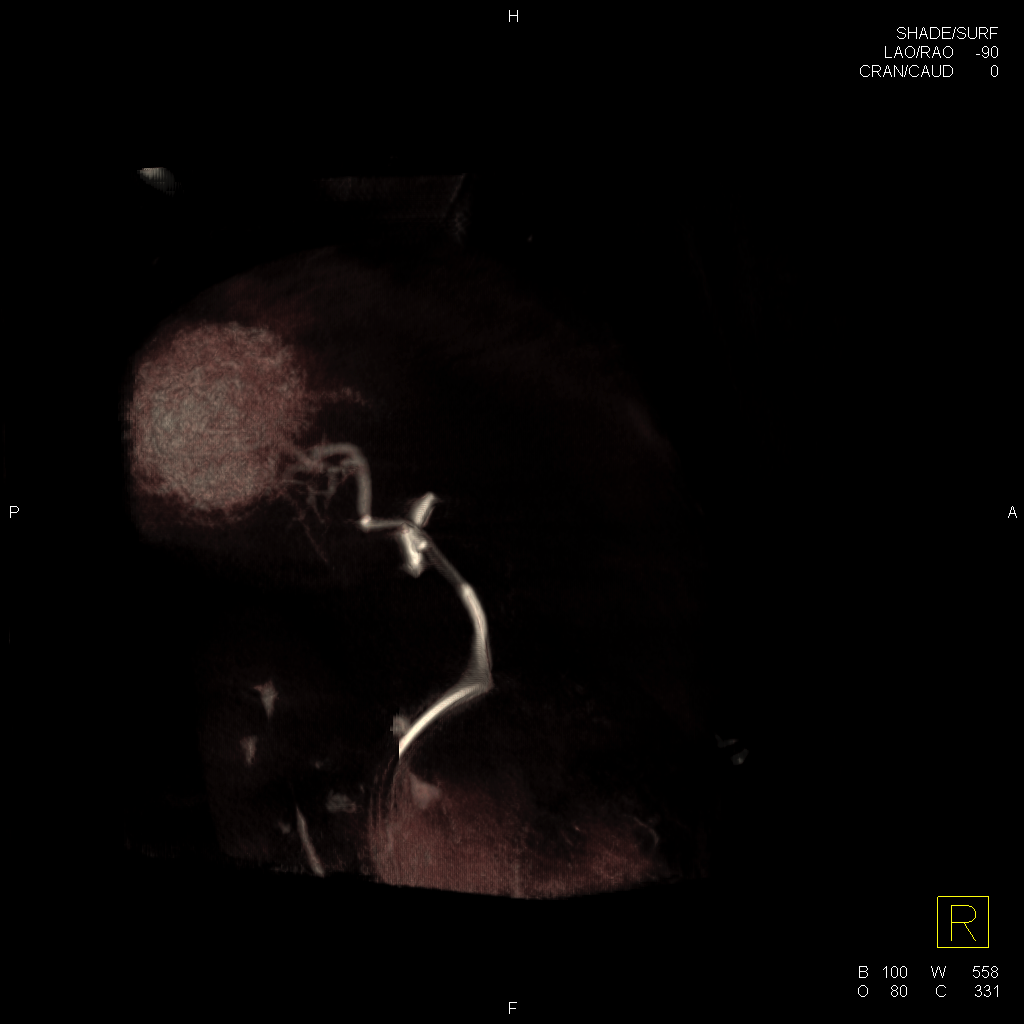
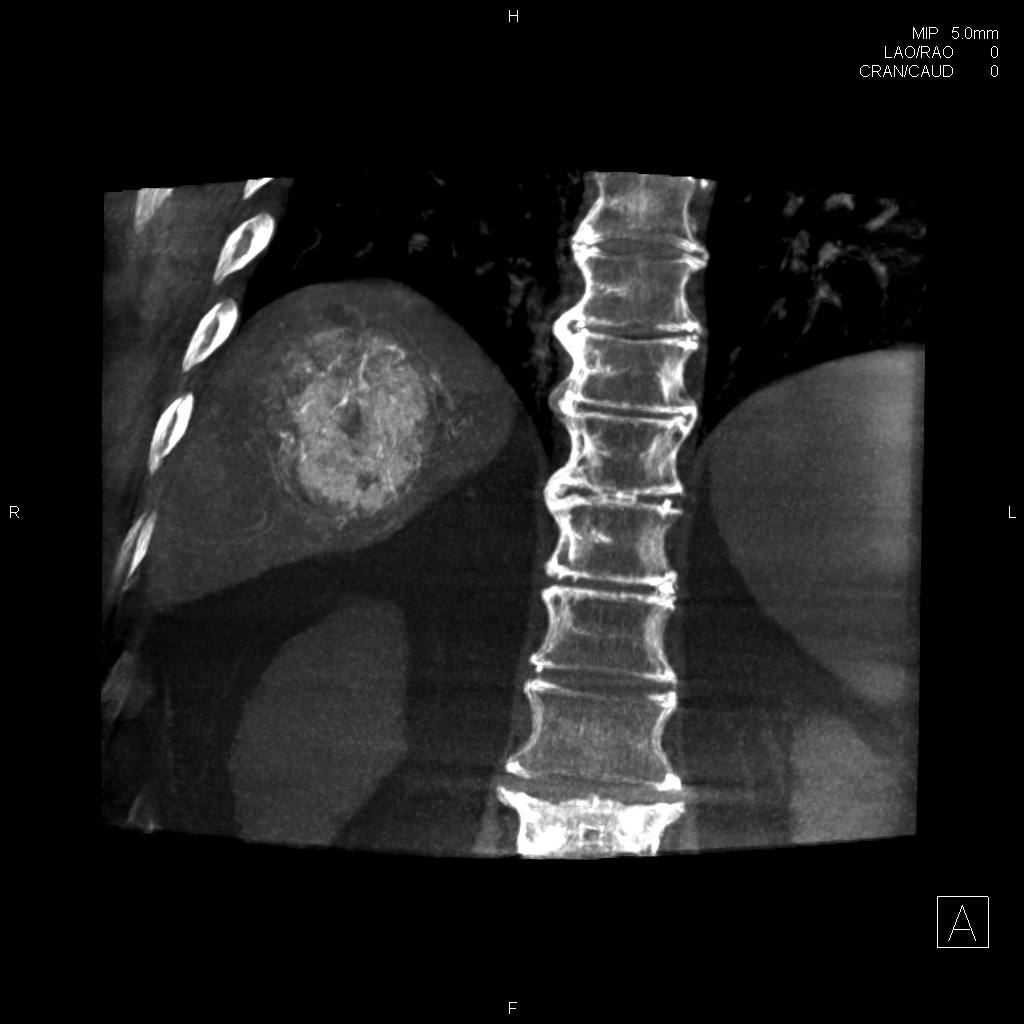
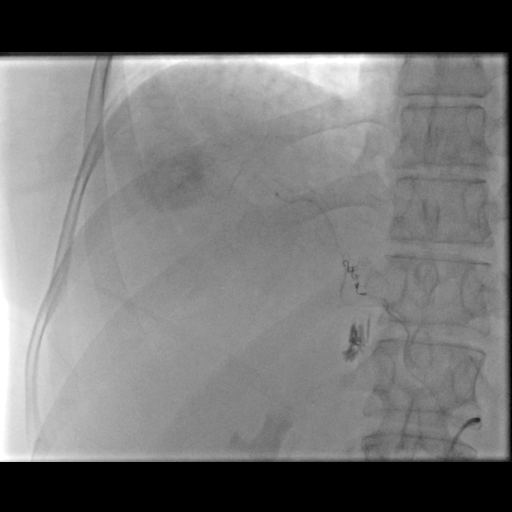
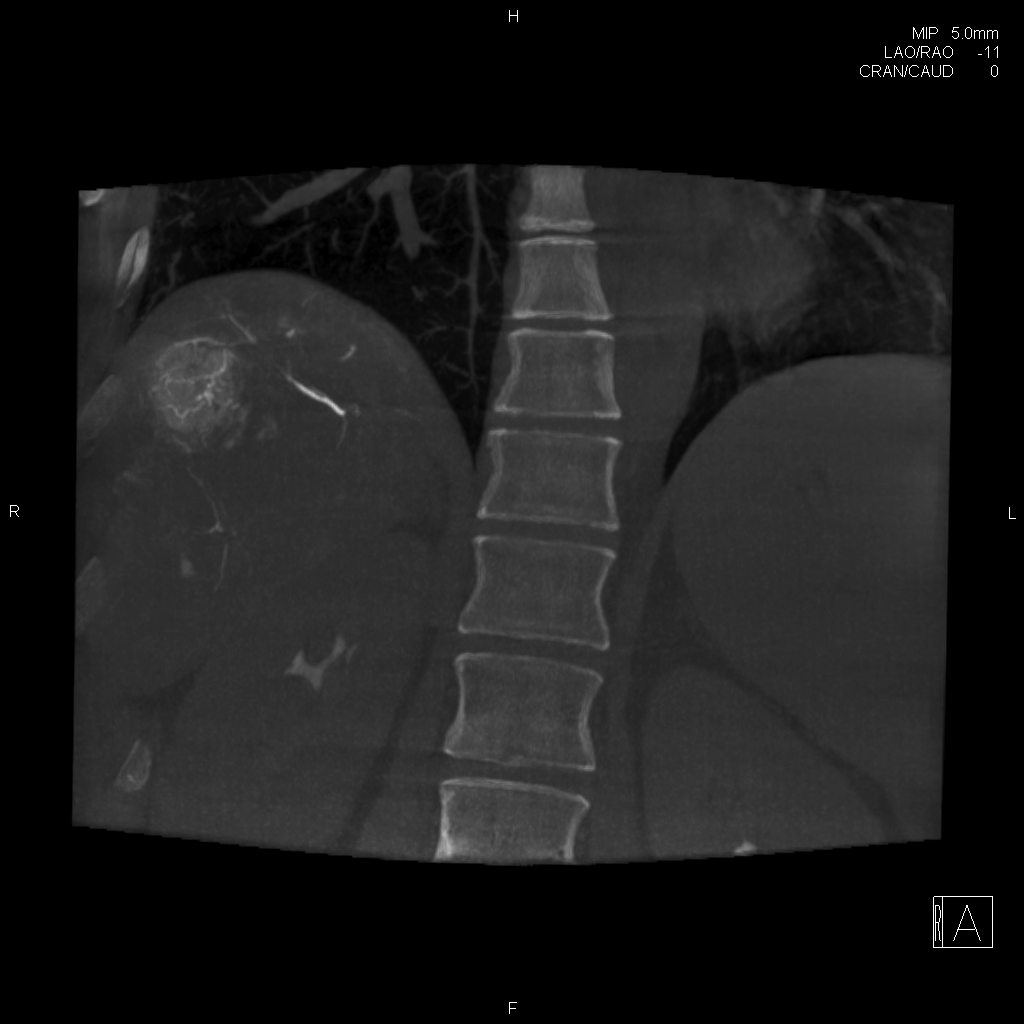
of Liver Tumors[/mk_fancy_title][mk_divider style=”thin_solid” divider_width=”custom_width” custom_width=”25″ thin_single_color=”#358cc1″ thickness=”3″][/vc_column][vc_column width=”1/4″][/vc_column][/vc_row][vc_row][vc_column width=”1/6″][/vc_column][vc_column width=”2/3″][vc_column_text align=”center”]The liver is unique among other organs because of its dual blood supply. The liver is supplied by the hepatic artery as well as the portal vein. Liver tumors are supplied by the hepatic artery predominantly. Liver therapy can be delivered thru the artery (transarterial) directing treatment to the tumor while sparing the normal liver. The most common treatment involves injecting microspheres into the artery to deliver either radiation (yttrium-90) or chemotherapy to the tumor.[/vc_column_text][mk_padding_divider size=”80″][/vc_column][vc_column width=”1/6″][/vc_column][/vc_row][vc_row fullwidth=”true” css=”.vc_custom_1451889111851{padding-top: 0px !important;padding-right: 0px !important;padding-bottom: 0px !important;padding-left: 0px !important;}”][vc_column][mk_divider style=”thin_solid” thin_single_color=”#358cc1″ thickness=”4″ margin_top=”0″ margin_bottom=”100″][/vc_column][/vc_row][vc_row][vc_column width=”1/4″][mk_fancy_title color=”#393836″ size=”20″ font_weight=”bold” font_style=”normal” txt_transform=”uppercase” letter_spacing=”1″ margin_bottom=”0″ font_family=”none”]The Microspheres (tiny little BB’s)[/mk_fancy_title][mk_divider style=”thin_solid” divider_width=”custom_width” custom_width=”70″ align=”left” thin_single_color=”#358cc1″ thickness=”3″ margin_top=”15″ margin_bottom=”60″][/vc_column][vc_column width=”3/4″][vc_row_inner attached=”true” padding=”1″][vc_column_inner width=”1/2″][mk_fancy_title tag_name=”h5″ color=”#000000″ line_height=”106″ font_weight=”bold” margin_bottom=”5″ font_family=”none”]Yttrium-90[/mk_fancy_title][vc_column_text disable_pattern=”false”]Beta particles are high-energy, high-speed electrons or positrons emitted by certain types of radioactive nuclei, such as Yttrium-90 (Y90).  This type of radiation travels only a few millimeters away from the source before hitting its target. Y90 microspheres injected into the hepatic artery accumulate within the tumor and concentrate radiation inside it.[/vc_column_text][mk_button dimension=”outline” margin_top=”5″]LEARN MORE BELOW[/mk_button][/vc_column_inner][vc_column_inner width=”1/2″][mk_fancy_title tag_name=”h5″ color=”#000000″ font_weight=”bold” margin_bottom=”5″ font_family=”none”]Drug eluding beads (TACE)[/mk_fancy_title][vc_column_text disable_pattern=”false”]Microspheres can be loaded with doxorubicin or irinotecan depending on the type of tumor being treated. Injected inside the tumor they release the drug slowly over 24 hours. This treatment is known as Transarterial Chemoembolization or TACE.[/vc_column_text][mk_button dimension=”outline” url=”https://middlebrookmd.com/liver-therapy#tace” margin_top=”5″ animation=”scale-up”]LEARN MORE BELOW[/mk_button][/vc_column_inner][/vc_row_inner][mk_padding_divider size=”70″][/vc_column][/vc_row][vc_row fullwidth=”true”][vc_column][mk_gallery images=”9680,9679,9678,9685″ column=”4″ height=”300″ hover_scenarios=”none” item_spacing=”0″ margin_bottom=”0″][/vc_column][/vc_row][vc_row fullwidth=”true” css=”.vc_custom_1451889111851{padding-top: 0px !important;padding-right: 0px !important;padding-bottom: 0px !important;padding-left: 0px !important;}”][vc_column][mk_divider style=”padding_space” margin_top=”0″ margin_bottom=”100″][/vc_column][/vc_row][vc_row][vc_column width=”1/4″][/vc_column][vc_column width=”1/2″][mk_fancy_title color=”#393836″ size=”22″ font_weight=”bold” txt_transform=”uppercase” letter_spacing=”1″ font_family=”none” align=”center”]Why use this treatment option?[/mk_fancy_title][mk_divider style=”thin_solid” divider_width=”custom_width” custom_width=”25″ thin_single_color=”#358cc1″ thickness=”3″][/vc_column][vc_column width=”1/4″][/vc_column][/vc_row][vc_row][vc_column width=”1/6″][/vc_column][vc_column width=”2/3″][vc_column_text align=”center”]Curing cancer requires removing or destroying all of the tumor and is why surgical resection is generally the most effective treatment. Liver cancers in particular fall in this category.  It is also true that the liver presents unique challenges to the surgeon because of its crucial role in body function and its complex anatomy which can make surgery difficult to accomplish safely.  If a patient is not a candidate for surgical removal of his/her cancer then other therapeutic options are available.[/vc_column_text][mk_padding_divider size=”80″][/vc_column][vc_column width=”1/6″][/vc_column][/vc_row][vc_row][vc_column width=”1/3″][mk_icon_box_gradient icon_size=”32″ icon=”mk-li-pill” holder_shape=”hexagon2″ color_style=”gradient_color” grandient_color_from=”#358cc1″ grandient_color_to=”#2e6eaa” grandient_color_fallback=”#358cc1″ icon_color=”#ffffff” icon_hover_color=”#f2f2f2″ title=”Chemotherapy & Radiation Therapy” title_size=”16″ title_weight=”bold” title_color=”#358cc1″ title_top_padding=”40″ title_bottom_padding=”20″]For most tumors if the lesions can’t be removed or ablated because of their size, location or number then systemic chemotherapy and radiation therapy become the mainstays of therapy. However, the liver doesn’t readily tolerate traditional radiation therapy and some liver tumors are not responsive to chemotherapy. Local liver directed therapy can be very effective in these cases.[/mk_icon_box_gradient][/vc_column][vc_column width=”1/3″][mk_icon_box_gradient icon_size=”32″ icon=”mk-moon-health” holder_shape=”hexagon2″ color_style=”gradient_color” grandient_color_from=”#358cc1″ grandient_color_to=”#2e6eaa” grandient_color_fallback=”#358cc1″ icon_color=”#ffffff” icon_hover_color=”#f2f2f2″ title=”Loco-Regional Liver Therapy” title_size=”16″ title_weight=”bold” title_color=”#358cc1″ title_top_padding=”40″ title_bottom_padding=”20″]TACE and yttrium-90 treatments can be used individually or in combination to treat a variety of primary liver cell tumors and metastatic disease. These liver directed therapies are used in patients who cannot benefit from surgical resection or ablation.  Many of these patients will already have had chemotherapy or radiation treatments before being referred for loco-regional therapy.[/mk_icon_box_gradient][/vc_column][vc_column width=”1/3″][mk_icon_box_gradient icon_size=”32″ icon=”mk-moon-aid” holder_shape=”hexagon2″ color_style=”gradient_color” grandient_color_from=”#358cc1″ grandient_color_to=”#2e6eaa” grandient_color_fallback=”#358cc1″ icon_color=”#ffffff” icon_hover_color=”#f2f2f2″ title=”This Is Why” title_size=”16″ title_weight=”bold” title_color=”#358cc1″ title_top_padding=”40″ title_bottom_padding=”20″]Even though Liver Directed Therapies are not, in of themselves, considered to be primary curative treatments they can be quite effective in palliating disease and prolonging high-quality life. Alone, or in combination with other treatments, some patients can be “down-staged” to a point where curative surgery may be possible.  And, in liver failure patients, these treatments serve as a bridge to transplantation controlling liver cancer until a new organ becomes available.[/mk_icon_box_gradient][/vc_column][/vc_row][vc_row][vc_column][mk_padding_divider size=”120″][/vc_column][/vc_row][mk_page_section bg_color=”#358cc1″ section_id=”moreinfo” sidebar=”sidebar-1″][vc_column][mk_fancy_title color=”#ffffff” size=”20″ font_weight=”bold” letter_spacing=”3″ margin_top=”70″ margin_bottom=”70″ font_family=”none” align=”center”]More about Yttrium-90 and TACE[/mk_fancy_title][/vc_column][/mk_page_section][mk_page_section bg_color=”#c4cacc” padding_top=”90″ padding_bottom=”80″ sidebar=”sidebar-1″][vc_column][mk_padding_divider size=”90″][vc_row_inner el_id=”yttrium90″][vc_column_inner width=”1/2″][mk_image src=”https://middlebrookmd.com/wp-content/uploads/2016/01/treatments_circles_yttrium.png” image_size=”full”][/vc_column_inner][vc_column_inner width=”1/2″][mk_fancy_title color=”#333333″ size=”20″ font_weight=”bold” txt_transform=”uppercase” letter_spacing=”1″ margin_bottom=”0″ font_family=”none”]Yttrium-90[/mk_fancy_title][mk_divider style=”thin_solid” divider_width=”custom_width” custom_width=”35″ align=”left” thin_single_color=”#333333″ thickness=”3″ margin_bottom=”30″][vc_column_text]Also known as Y90 therapy or formally as Complex Interstitial Brachytherapy it is a radiation therapy used to target liver tumors. Millions of tiny yttrium-90 microspheres (“radioactive BB’s”) are delivered to the blood vessels supplying the tumor(s) in the liver. These microspheres follow the blood flow and accumulate in the abnormally vascular liver tumors at a much higher density than in the normal liver tissue. The yttrium-90 microspheres then deliver their radiation to the local tissue around them.

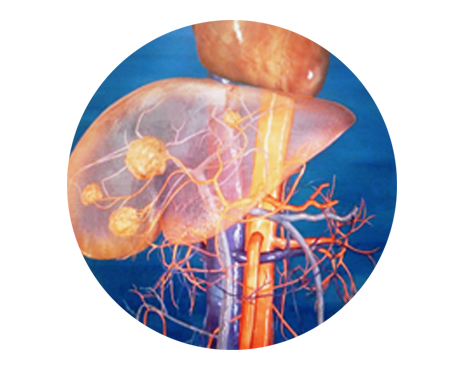
This internal radiation technique makes it possible to safely treat liver many tumors without injuring the normal liver in the process.[/vc_column_text][/vc_column_inner][/vc_row_inner][mk_padding_divider size=”90″][vc_row_inner el_id=”tace”][vc_column_inner width=”1/2″][mk_fancy_title color=”#333333″ size=”20″ font_weight=”bold” txt_transform=”uppercase” letter_spacing=”1″ margin_bottom=”0″ font_family=”none”]Transarterial Chemoembolization[/mk_fancy_title][mk_divider style=”thin_solid” divider_width=”custom_width” custom_width=”35″ thin_single_color=”#333333″ thickness=”3″ margin_bottom=”30″][vc_column_text align=”center”]Also known as TACE it is a minimally invasive procedure performed targeting the liver tumor(s) blood supply. Thousands of drug-eluting beads (“poison BB’s”) are delivered to the blood vessels in the liver that supply the liver tumor. The tiny little beads block the nourishing blood flow to the tumor while releasing locally high concentrations of chemotherapy.

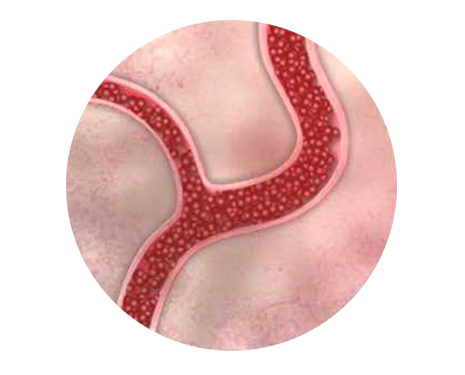
This treatment affects the tumor directly while the patient avoids the usual chemotherapy side-effects like hair loss.[/vc_column_text][/vc_column_inner][vc_column_inner width=”1/2″][mk_image src=”https://middlebrookmd.com/wp-content/uploads/2016/01/treatments_circles_tace.png” image_size=”full”][/vc_column_inner][/vc_row_inner][mk_padding_divider size=”90″][/vc_column][/mk_page_section]